
Why Understanding Nursing Home Negligence Matters When Your Loved One Is Hurt
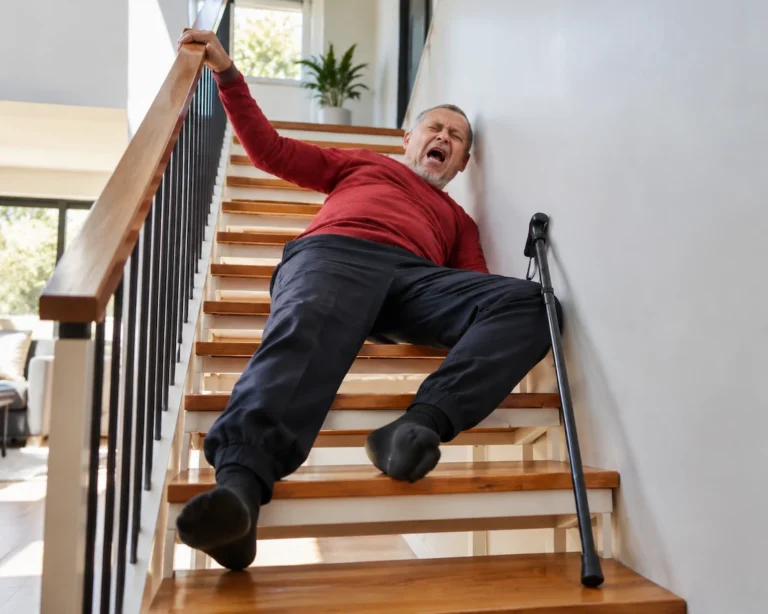
Nursing home negligence occurs when a care facility fails to meet basic standards of care, causing physical harm, emotional suffering, or even death to a resident. This failure can take many forms, from untreated bedsores and medication errors to malnutrition, falls, and social isolation.
Quick Facts About Nursing Home Negligence:
- 1 in 10 nursing homes have violations that caused harm or risk of death.
- 15.3% of elder abuse complaints involve neglect.
- Common signs include: unexplained injuries, sudden weight loss, bedsores, poor hygiene, and fearful behavior.
- Legal time limits apply: Most states have strict deadlines (statutes of limitations) for filing claims.
- You have rights: Federal law guarantees residents the right to quality care and protection from neglect.
The statistics are sobering. According to the National Council on Aging, about 1 in 10 people aged 60 and older experience elder abuse, and many cases go unreported. When you place a loved one in a nursing home, you trust that facility to provide compassionate, competent care. When that trust is broken, you deserve answers—and your loved one deserves justice.
This guide explains what constitutes nursing home negligence, how to recognize the warning signs, and what legal rights you have. Understanding your options is the first step toward holding facilities accountable and securing the compensation your loved one deserves.
At Acuna Law Firm, we provide bilingual legal support to Spanish-speaking families navigating these difficult situations. If your loved one has been harmed, you don’t have to face this alone.
Understanding What Constitutes Nursing Home Negligence
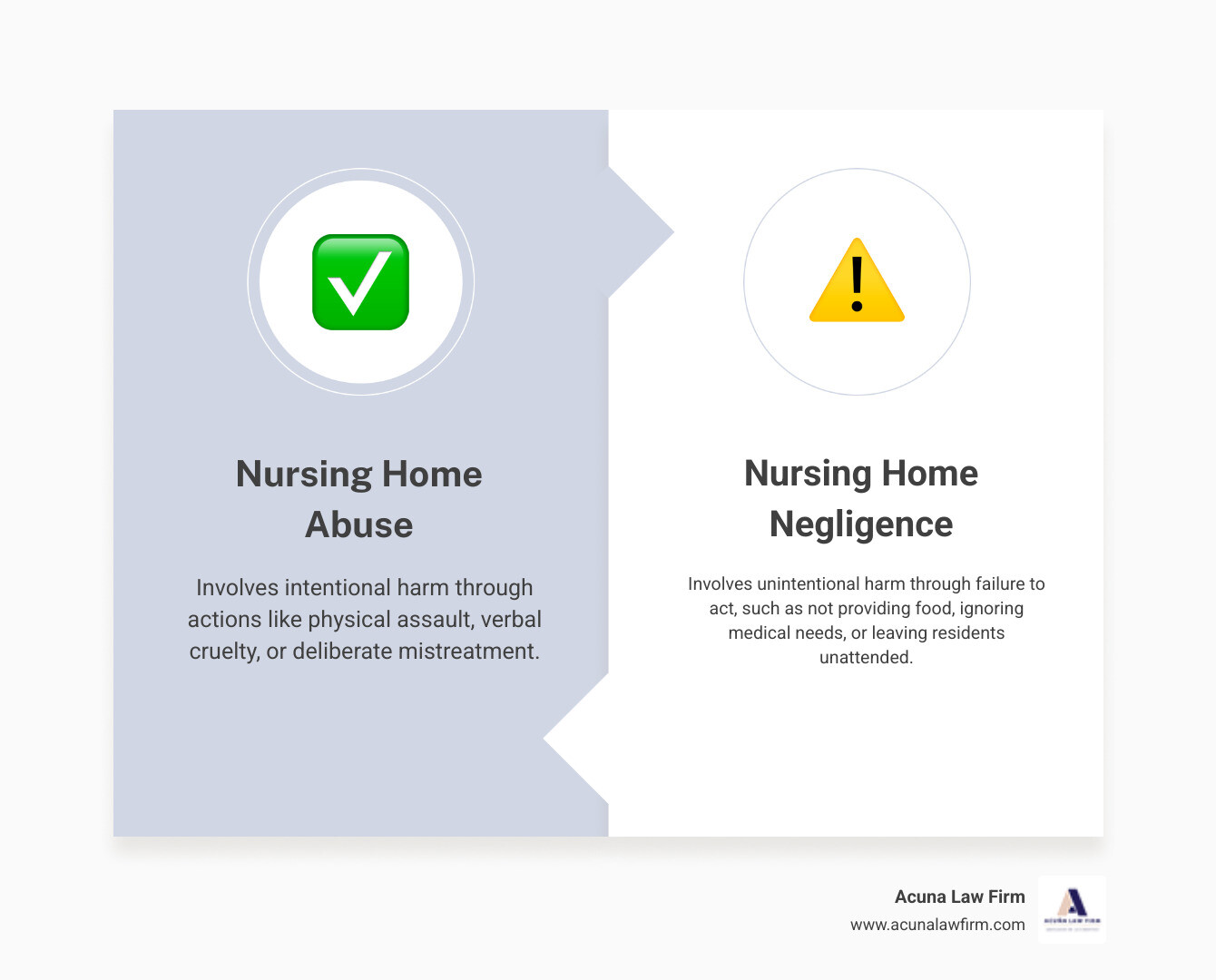
While both are devastating, it’s important to understand the difference between nursing home abuse and negligence. Abuse is intentional harm, such as a staff member hitting a resident or purposely withholding food. Negligence involves failures in care—not providing the attention or supervision residents need. It’s the difference between actively hurting someone and failing to prevent harm.
Every nursing home has a legal duty of care to protect its residents’ safety and well-being. When they fail to meet this duty and that failure causes harm, it becomes nursing home negligence.
This standard of care is defined by Federal law, specifically Section 483.25, which covers everything from preventing bedsores to ensuring proper nutrition and preventing accidents. The foundation for these protections is the Resident’s Bill of Rights, established by the Nursing Home Reform Act of 1987. This law guarantees every resident the right to be free from abuse, mistreatment, and neglect. You can learn more about these protections through the Nursing Home Reform Act. State regulations often provide additional layers of protection.
If you suspect medical errors contributed to an injury, we have more information on negligencia médica to help families.
The Different Types of Neglect
Negligence can manifest in several ways:
- Medical neglect occurs when staff fail to address health needs, such as forgetting medications, ignoring infections, or allowing bedsores (pressure ulcers) to develop. The Center for Medicare & Medicaid Services considers bedsores a “never event,” meaning they are preventable with proper care.
- Neglect of basic needs involves the failure to provide adequate food, clean water, or a safe environment, leading to malnutrition or dehydration.
- Personal hygiene neglect affects both health and dignity. This includes failing to help residents with bathing, dental care, or changing soiled clothes.
- Social and emotional neglect is more invisible but equally damaging. It happens when staff ignore residents, leave them isolated, or speak to them harshly, leading to depression, anxiety, and withdrawal.
These failures can cause serious physical harm, illness, and even wrongful death.
The Underlying Causes of Neglect in Care Facilities

Systemic problems within a facility are often the root cause of nursing home negligence. These issues create an environment where neglect becomes almost inevitable.
- Understaffing: This is the most common problem. Without enough staff, even the most dedicated caregivers can’t meet every resident’s needs. A USA Today investigation on poor staffing highlights the pervasiveness of this issue.
- Inadequate Training: Staff may not know how to properly prevent falls, recognize infections, or safely administer medications.
- Negligent Hiring: Some facilities fail to conduct proper background checks, hiring unqualified or unsuitable individuals.
- High Staff Turnover: A constant revolving door of employees disrupts the continuity of care and burdens the remaining staff.
- Profit-Driven Management: When corporate owners prioritize profits, they may cut corners on staffing, training, and resources, leading to substandard care.
- Lack of Resources: Outdated equipment, insufficient supplies, or poor policies can make providing quality care nearly impossible.
Recognizing the Warning Signs of Nursing Home Negligence
Family members are often the first to notice when something is wrong. Your loved one may be afraid to speak up or unable to communicate what is happening. That’s why knowing the warning signs of nursing home negligence is so important. Always trust your instincts—if something feels off, pay attention.
Whether your family is in Oklahoma City, Tulsa, or elsewhere in Oklahoma, recognizing these signs gives you the power to protect someone who can’t always protect themselves.
Common Physical and Emotional Indicators
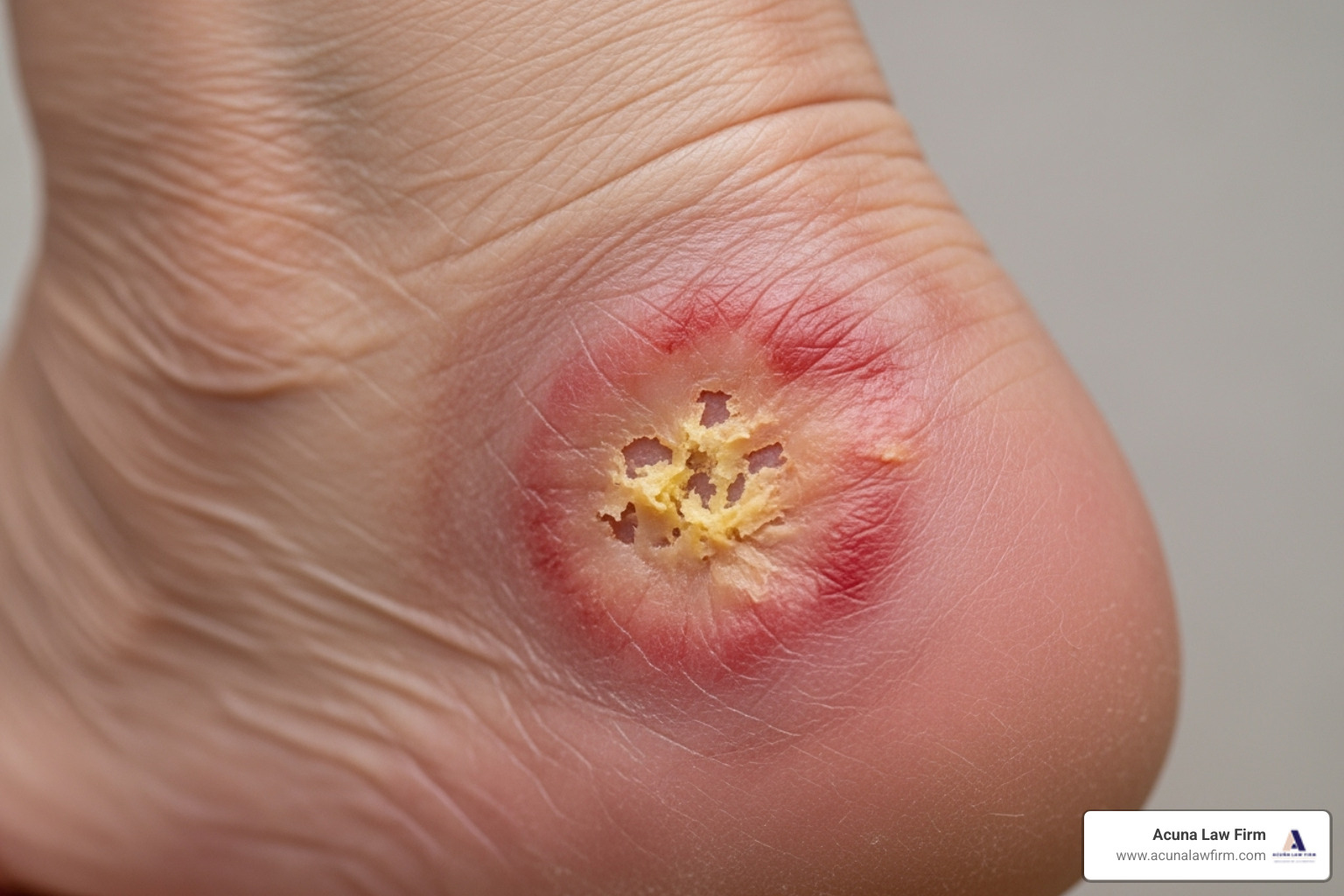
Signs of neglect can be both physical and emotional. Be watchful for these red flags:
- Bedsores (Pressure Ulcers): These painful wounds are a clear sign of neglect, as they develop when a resident is not repositioned regularly. The Center for Medicare & Medicaid Services considers them a “never event”—something that should not happen with proper care.
- Unexplained Injuries: Bruises, cuts, fractures, or frequent falls that staff cannot explain should raise immediate concern.
- Sudden Weight Changes: Significant weight loss can point to malnutrition or dehydration, while weight gain may indicate other unaddressed medical issues.
- Poor Personal Hygiene: An unkempt appearance, body odor, dirty clothes, or poor dental care are signs that a resident is not receiving help with basic needs.
- Unsanitary Environment: A dirty room, soiled bedding, overflowing trash, or unanswered call lights are indicators of systemic neglect.
- Fear or Anxiety: If your loved one seems newly fearful, flinches when touched, or avoids certain staff members, something may be causing them distress.
- Withdrawal and Depression: A sudden loss of interest in activities, social withdrawal, or other signs of depression can be a symptom of emotional neglect.
At Acuna Law Firm, our team of Spanish-speaking abogados de lesiones personales can help you understand what to do if you notice these signs.
How to Document and Report Suspected Neglect
If you suspect nursing home negligence, taking immediate and methodical steps is crucial for your loved one’s safety and any future legal action.
- Document Everything: Keep a detailed log with dates, times, specific incidents, and names of staff members involved. A written record is powerful evidence.
- Take Photos and Videos: If appropriate, capture visual evidence of injuries, bedsores, or unsanitary conditions. Be respectful of your loved one’s privacy.
- Talk to Management: Address your concerns with the facility’s staff and management first. Document these conversations, including who you spoke with and what they promised to do.
- Contact Authorities: If the problem persists or is serious, report it.
- Your local Adult Protective Services (APS) investigates reports of elder neglect.
- The Long-Term Care Ombudsman Program advocates for residents. You can find your state’s ombudsman program online.
- For immediate danger, call 911.
- Your state’s Survey Agency also investigates complaints about facility compliance.
- Consult an Attorney: An experienced nursing home negligence lawyer can guide you through the reporting process and protect your legal rights.
Don’t wait for absolute proof. If you suspect neglect, report it. Acting quickly is the best way to protect your loved one from further harm.
Your Legal Rights and Options After Injury
When nursing home negligence harms a loved one, it’s natural to feel angry and betrayed. It’s important to know that you have legal rights and options. The law holds nursing homes accountable when they fail in their duty to care for residents.
Filing a lawsuit can secure compensation for medical expenses, pain and suffering, and other losses. In tragic cases where negligence leads to death, families may pursue a wrongful death claim to seek justice. Holding a facility accountable not only helps your family but can also prevent similar harm from happening to others.
At Acuna Law Firm, we help families steer these complex personal injury claims. For more information, please visit our personal injury page.
The 4 Elements Needed to Prove a Nursing Home Negligence Lawsuit

To win a nursing home negligence lawsuit, four specific elements must be proven:
- Duty of Care: We must show the nursing home had a legal obligation to provide care. This is established when a resident is admitted to the facility.
- Breach of Duty: We then prove the facility failed to meet that obligation. This could be a failure to prevent falls, provide adequate nutrition, or reposition a resident to prevent bedsores. Evidence like medical records and witness testimony is used to show this breach.
- Causation: We must draw a direct link between the facility’s failure (the breach) and your loved one’s injury. It’s not enough to show neglect occurred; we must prove it caused the harm. This often requires testimony from medical experts.
- Damages: Finally, we must demonstrate that your loved one suffered actual harm—physical, emotional, or financial—as a result of the negligence. This includes medical bills, pain, and diminished quality of life.
What Damages Can Be Recovered in a Negligence Case?
In a nursing home negligence case, “damages” refer to the compensation recovered for losses and suffering. While no amount of money can undo the harm, it can provide financial relief and a sense of justice. Recoverable damages may include:
- Medical Expenses: Costs for hospital stays, doctor visits, medication, and any future medical treatment related to the injury.
- Pain and Suffering: Compensation for the physical pain and discomfort the resident endured.
- Emotional Distress: Damages for the psychological trauma, fear, anxiety, or depression caused by the neglect.
- Loss of Enjoyment of Life: Compensation for the inability to participate in hobbies and activities the resident once cherished.
- Punitive Damages: In cases of extreme or reckless conduct, these damages are intended to punish the facility and deter future misconduct.
- Wrongful Death Damages: If negligence leads to death, families can recover funeral expenses and compensation for the loss of companionship.
The Role of the Statute of Limitations
Time is critical in nursing home negligence cases. Every state has a statute of limitations—a legal deadline for filing a lawsuit. If you miss this deadline, you lose your right to seek justice, no matter how strong your case is.
In Oklahoma, you generally have two years from the date of injury to file a personal injury claim. This deadline underscores the need to act quickly.
Investigating a nursing home case takes time. We need to gather records, interview witnesses, and consult experts. Waiting too long to contact an attorney can jeopardize your ability to build a strong case before the deadline expires. Evidence can also disappear over time as staff members leave and memories fade.
If you suspect neglect, contact an attorney immediately. A free consultation can help you understand your rights and ensure you don’t miss a critical deadline. Learn more about our lead attorney, Mariano Acuña, and his commitment to protecting the rights of injured residents.
Frequently Asked Questions about Nursing Home Negligence Claims
When facing potential nursing home negligence, families have many questions. Here are clear, honest answers to some of the most common concerns.
What is the difference between nursing home abuse and nursing home negligence?
This is a key distinction. Nursing home abuse is intentional harm. Examples include a staff member hitting a resident, yelling threats, or stealing belongings. The person committing abuse intends to cause harm.
Nursing home negligence is unintentional harm caused by a failure to provide proper care. It’s not acting when one should. Examples include failing to reposition a resident, leading to bedsores; not providing adequate supervision, resulting in a fall; or forgetting to administer medication.
Both are serious violations of a resident’s rights and can have devastating consequences.
What is the biggest complaint against nursing homes?
Overwhelmingly, neglect is the biggest and most frequent complaint against nursing homes. It often stems from systemic issues like understaffing, poor training, and a focus on profits over people.
This neglect manifests in many ways that families report, including:
- Staff ignoring call lights
- Failure to assist with personal hygiene (bathing, changing clothes)
- Inadequate help with eating and drinking, leading to malnutrition
- Failure to address medical needs, such as infections or pain
These are not normal aspects of aging; they are warning signs that a facility is failing to meet its basic obligations.
How hard is it to prove a nursing home negligence case?
Proving a nursing home negligence case can be challenging, but it is far from impossible with the right legal team.
Complexities arise for several reasons:
- Communication barriers: Residents with dementia or other cognitive issues may struggle to explain what happened.
- Hidden evidence: Facilities may be slow to provide records, or the documentation may be incomplete. Staff may also be reluctant to speak up.
- Need for expert testimony: A medical expert is often required to prove that the facility’s actions (or inactions) directly caused the injury.
Despite these problems, an experienced attorney knows how to overcome them. At Acuna Law Firm, we are skilled at gathering evidence, working with medical experts, and holding negligent facilities accountable. We offer bilingual support to ensure Spanish-speaking families can fully participate in their cases. If you are worried about proving what happened, contact us for a free, honest assessment of your case.
How to Get Help and Prevent Future Harm
Navigating a nursing home negligence situation is difficult, but you are not alone. Taking proactive steps can protect your loved one and prevent future harm.
Your first line of defense is thoroughly researching facilities. Use tools like CMS’s Nursing Home Care Compare, read reviews, and visit facilities unannounced at different times of day. When you tour, observe staffing levels and how residents are treated. Trust your gut; if something feels wrong, it probably is.
Once your loved one is a resident, staying involved is your most powerful tool. Regular visits and calls provide crucial oversight. Observe your loved one’s physical and emotional state, and always take their concerns seriously. If you see warning signs of neglect, act quickly. Document what you see and report it to the facility and, if necessary, to outside authorities.
When harm has already occurred, professional legal help is essential. At Acuna Law Firm, we understand the intersection of personal injury law and elder care. We have helped many families in Oklahoma City, Tulsa, and throughout Oklahoma seek justice.
Our firm offers:
- Bilingual support: We ensure language is never a barrier to justice for Spanish-speaking families concerned about negligencia en asilos.
- Extensive experience: Our attorneys have secured millions for clients in negligence cases.
- A free consultation: Understand your options with no financial pressure.
Holding a facility accountable not only brings justice to your family but also helps protect other residents from suffering the same fate. Your loved one deserves dignity and safety. When those rights are violated, we are here to fight for them.
Take the first step toward justice and contact us today for your free consultation.