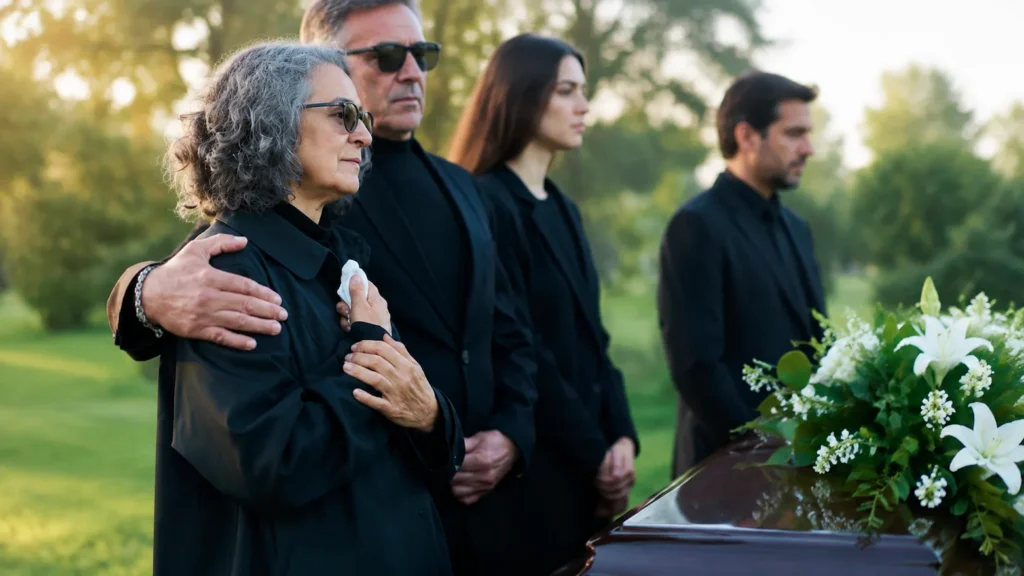
Nobody who just lost a family member is thinking about a lawsuit in the first hours. They are thinking about how to reach everyone who needs to know, how to get through the next few days, and how something so preventable could happen at all. The legal questions come later, when the financial consequences start to surface alongside the grief, or when someone from the responsible party’s insurance company calls and the family realizes they are not prepared for that conversation. A fatal accident attorney exists for precisely that moment, before decisions get made that cannot be reversed.
In Oklahoma, a death caused by another person’s negligence, recklessness, or intentional conduct can support a wrongful death claim. That claim does not replace the person who was lost, but it can recover what they would have contributed financially, recognize the harm their absence produces for the people left behind, and establish that someone else answers for what happened. A fatal accident attorney who gets involved early shapes what is possible to recover and how the family gets there.
At Acuña Law Firm, we handle wrongful death cases across Oklahoma with the understanding that the people we represent are managing grief and legal complexity at the same time. Our Oklahoma City wrongful death lawyer page explains how we approach these cases and what the process involves from the first conversation.
Who Oklahoma Law Authorizes to File and Who Benefits
Oklahoma’s wrongful death statute, Title 12, Section 1053 of the Oklahoma Statutes, designates the personal representative of the deceased’s estate as the party authorized to file the wrongful death action on behalf of the eligible beneficiaries. Those beneficiaries typically include the surviving spouse, the deceased’s children, and in some circumstances the deceased’s parents.
Surviving family members do not file separate individual lawsuits against the responsible party. One action proceeds on behalf of everyone, and the recovered damages are distributed among the beneficiaries according to the statute. When the deceased did not have a will designating a personal representative, the probate court appoints one. A fatal accident attorney guides the family through that appointment process without unnecessary delay so the legal case does not stall while administrative steps are completed.
Who the beneficiaries are and how closely they were connected to the deceased determines what categories of damages they may recover. The surviving spouse holds a recognized claim for financial support, companionship, and consortium the death extinguished. Surviving children recover for the loss of parental guidance, support, and the relationship that would have continued through their lives. Correctly identifying those relationships and structuring the claim accordingly is one of the first things a fatal accident attorney addresses in evaluating the case.
What the Claim Requires Proof Of and Why Evidence Disappears Immediately
A wrongful death claim in Oklahoma requires proving four elements: a duty of care between the responsible party and the deceased, a breach of that duty, causation between the breach and the death, and measurable losses suffered by the surviving beneficiaries. Each element requires evidence, and that evidence starts to deteriorate the moment the accident occurs.
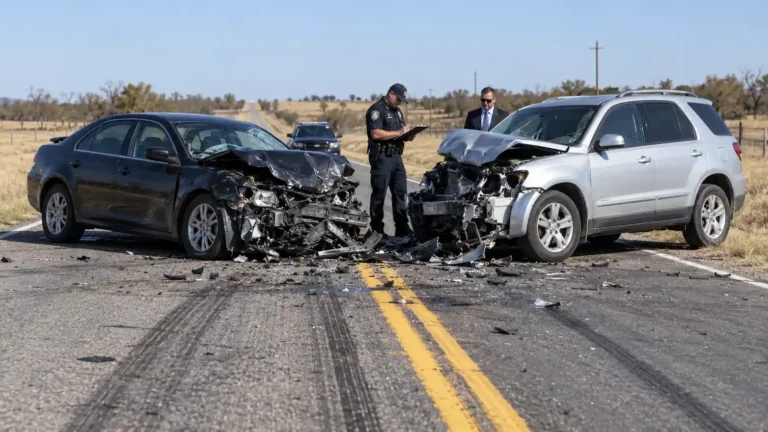
The investigation begins with the specific circumstances of the death. A fatal traffic collision, a workplace fatality, a medical error, a defective product, a fatal fall on someone’s property: each type generates different categories of evidence and implicates different legal standards of care. In a fatal traffic crash, the investigation may involve accident reconstruction, driver records, electronic vehicle data, and law enforcement reports.
A fatal accident attorney who begins the investigation within the days and weeks immediately following the death can send formal evidence preservation demands to every party that may bear responsibility. Without those demands, corporate defendants apply standard document retention schedules, surveillance footage gets overwritten, and the probative record disappears before anyone protects it.
The Evidence Time Destroys Before Anyone Asks for It
A fatal accident scene does not hold itself together. Vehicles are moved, roads are repaired, electronic records are purged on routine cycles, and witnesses return to their lives. The evidence that determines whether a wrongful death claim can be sustained has its own availability window, and that window is considerably shorter than the two year legal deadline.
Surveillance footage from intersections, commercial properties, or any camera with a line of sight to the accident location is typically overwritten in cycles of days to weeks. Electronic control module data from the vehicles involved can be purged after a routine ignition cycle.
A fatal accident attorney who gets involved in the first weeks after the death reaches that evidence before it becomes inaccessible. Preservation demands place parties on legal notice. Experts can examine the scene or equipment before it is altered. Witnesses can be identified and documented while their recollections are still specific.
Fatal Accident Legal Rights in Oklahoma and What the Family Can Recover
Fatal accident legal rights in Oklahoma allow beneficiaries to recover both economic and non economic damages. Economic damages carry a specific number: medical expenses incurred between the injury and the death, funeral and burial costs, the income the deceased would have generated over the rest of their working life, and the value of the non-wage services the deceased contributed to the household, including childcare and domestic work.
Non economic damages cover the human harm that comes without a receipt. Loss of companionship and consortium for the surviving spouse. Loss of parental guidance, presence, and relationship for surviving children. The pain and suffering the deceased experienced between the time of the injury and the time of death, when that interval existed and the circumstances document it.
When the responsible party’s conduct reflects deliberate or reckless indifference to the safety of others, punitive damages may also be available. The threshold for punitive damages under Oklahoma law is higher than for compensatory damages. A fatal accident attorney evaluates carefully within the expert review phase whether the facts reach that threshold before raising the theory.
Fatal Accident Expert Review and How It Turns Loss Into a Defensible Argument
A fatal accident attorney does not build the case alone. Wrongful death cases require expert testimony across almost every dimension, and the quality of that testimony shapes the outcome both in settlement and at trial.
On the liability side, the expert establishes whether the defendant’s conduct met the applicable standard of care in the specific situation. A physician who failed to diagnose a treatable condition, a commercial driver who exceeded federal hours of service limits, a property owner who left a known hazardous condition unaddressed: each requires an expert in that specific field who can explain to the jury in clear terms what should have been done differently and why the deviation caused the death.
On the damages side, the expert translates human loss into numbers a court can evaluate. A forensic economist projects the income the deceased would have generated over the rest of their working life, considering their age, occupation, earnings history, and career trajectory at the time of death. Other specialists calculate the value of the non-wage contributions the deceased made to the household.
The Fatal Accident Claim Deadline and What Does Not Wait for It
Oklahoma’s wrongful death statute of limitations is two years from the date of death under Title 12, Section 1053 of the Oklahoma Statutes. That deadline does not pause because the family was grieving, because they were unaware of it, or because they believed the matter might resolve without formal action.
The urgent argument for acting early is not the two year mark. It is what happens to the evidence before it arrives. Surveillance footage overwrites. Electronic vehicle data purges. Corporate defendants begin managing their document files in ways that favor their position once they understand litigation may follow. The evidentiary record that determines whether the claim can be sustained deteriorates week by week, independent of the legal deadline.
When the responsible party is a government entity, the timeline compresses further. Oklahoma’s Governmental Tort Claims Act requires a written notice of claim to be filed within one year of the death with the appropriate government body, and that notice must be formally acted upon before any lawsuit can be initiated.
What the Responsible Party’s Insurer Knows That the Family Does Not
When the responsible party carries insurance, the family typically hears from the adjuster assigned to the claim before they hear from anyone else. Those early conversations are not neutral. The adjuster’s professional function is to evaluate the claim in a way that minimizes what the insurer pays, to make contact before the family has legal representation, and to offer a settlement in a window where the documented value of the damages is considerably lower than the actual value.
A fatal accident attorney who intercepts that communication before the family gives statements or signs documents changes the entire dynamic of the negotiation. Early offers in wrongful death cases do not account for the deceased’s projected earnings over the rest of their working life, do not account for non economic damages at their full scope, and do not account for the possibility of punitive damages when the facts support them.
A complete evidentiary file, built with expert testimony on liability and damages, economic projection of lost income, and specific documentation of non economic harm, converts the negotiation from a conversation about positions into a conversation about evidence. That shift is what determines what the family ultimately receives, and it begins with a fatal accident attorney who gets involved before the insurer’s framing of the case becomes the only framing available.
What an Honest Evaluation Gives the Family Before Any Decision Is Made
A wrongful death claim is not the right path for every unexpected death. What determines whether a viable claim exists is whether another party’s conduct, through negligence, recklessness, or an intentional act, caused or contributed to the death. Answering that question requires knowing the facts, and knowing the facts requires a direct conversation with a fatal accident attorney who understands Oklahoma law and can evaluate what the evidence currently shows.
For many families, that conversation is the first time someone with legal knowledge has explained their rights clearly, without pressure and without the framing the responsible party’s insurer has already established.
A fatal accident attorney does not pressure the family into initiating a process. The evaluation gives an honest picture of what the evidence supports, which options are legally available, what deadlines apply, and what the process would actually require. That is what a family facing a preventable death deserves before any decision is finalized. Share the details of what happened with Acuña Law Firm and receive a direct and confidential evaluation of where the claim stands.
FAQ
Who can file a wrongful death claim in Oklahoma?
Under Title 12, Section 1053 of the Oklahoma Statutes, the personal representative of the deceased’s estate is the authorized party to file the wrongful death action on behalf of the eligible beneficiaries. Those beneficiaries typically include the surviving spouse, the deceased’s children, and in some circumstances the deceased’s parents. A fatal accident attorney can assist the family with that process without delaying the legal case.
What is the fatal accident claim deadline in Oklahoma?
The statute of limitations is two years from the date of death under Title 12, Section 1053. When the responsible party is a government entity, Oklahoma’s Governmental Tort Claims Act requires a written notice of claim within one year of the death before any lawsuit can proceed.
What damages are recoverable in an Oklahoma wrongful death claim?
Beneficiaries may recover the medical expenses incurred between the injury and the death, funeral and burial costs, the income the deceased would have earned over the rest of their working life, the value of non-wage household contributions, and non economic damages including loss of companionship and consortium for the surviving spouse and loss of parental guidance and relationship for surviving children.
What does fatal accident expert review typically cover?
Expert review operates at two levels. On liability, a field specific expert establishes what should have been done differently and how the departure from the applicable standard of care caused the death. On damages, a forensic economist projects the income lost over the remainder of the deceased’s working life, and other specialists calculate the value of non-wage household contributions.
Can a wrongful death claim be filed if the death occurred at work?
Yes, though the interaction with workers’ compensation adds complexity. When the deceased was employed by the responsible company, workers’ compensation may be the primary avenue for certain beneficiaries. A fatal accident attorney identifies whether that combination applies to the specific case and how to structure both claims to maximize the family’s recovery.